

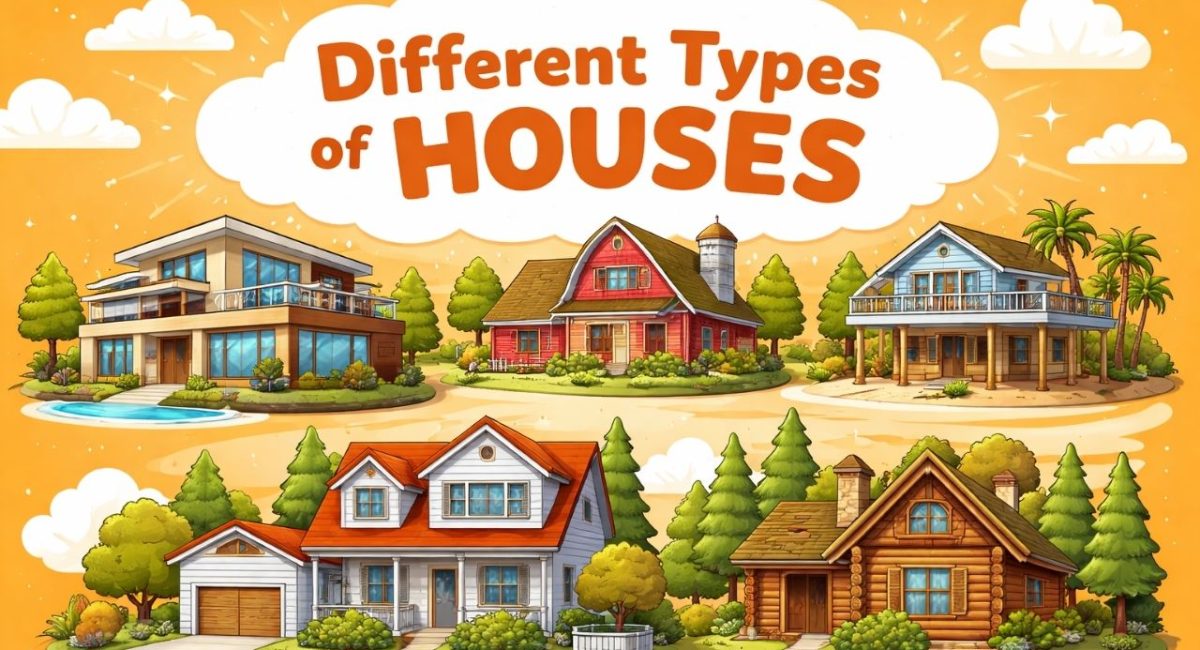
The awareness on the different types of houses around the world enables a consumer, tenant and real estate analyst to make effective decisions. Having an idea of difference in the housing styles is relevant whether the buyer is seeking their first house or investment.
In the year 2026 the global residential housing industry had reached approximately 326.5 trillion. Nearly 64% of the total household are single family houses. HousingIn India, housing increased by 23% in 2026, with over 4.2 million new homes being introduced in the major urban centers.
The different types of houses in terms of design, construction means, culture, and local demands. Starting with little studio apartments in urban centers to huge houses in high-income districts, each of them corresponds to some lifestyle and expendable income. There are more than 30 types of houses that can be found in this guide, which informs you about residential architecture.
Why Understanding Different Types of Houses Matters
Approximately 78% of inhabitants of the city had 15 or more types of housing in their city in 2026. The awareness of these differences enables buyers to sync their options with money, lifestyles and long term plans.
- Investment Value: There are those houses whose value increases at a rapid rate. Another data show that detached home increased 8.2% annually in 2026 and apartments rose 5.4 per year.
- Lifestyle Compatibility: Selecting a house that suits your routine provides a superior life, a lesser trip to the work places, and a superior work-life harmony.
- Maintenance Requirements: The maintenance costs are known to assist you in budgeting. Typically, it requires some 40 -60% greater annual maintenance of detached homes than of condominiums or managed apartments.
- Resale Potential: Some houses sell faster. Semi-detached homes and townhouses sold 32% faster than the specialty houses.
- Community Features: Social connections and security differ in consideration of various homes that have varied and shared amenities, privacy, and neighborhood feel.
What Is a “House Type”?
A house type refers to the type of house which is determined by design, ownership, building style and layout. These classifications assists the markets in the ways homes are organized.
In the global data, as of 2026 there were over 45 different types of houses in the list compared to 28 in 2020 as a result of more houses declaring their type to marketing.
Types of houses have an influence on taxes, insurance, regulations, and renovation approval. The contemporary systems observe material, shared walls, ownership vs rent and cultural or local style.
Global List of Common Different Types of Houses
A. Standard Residential House Types
1. Bungalow
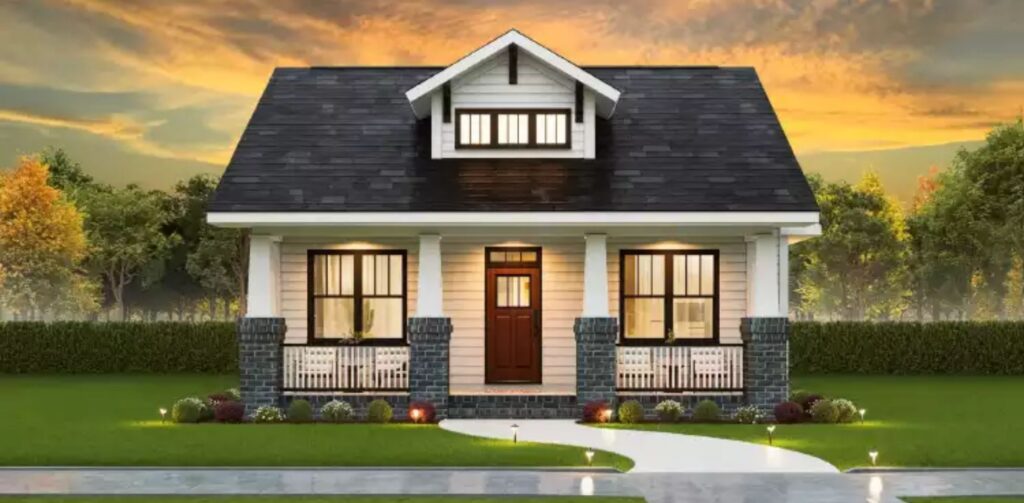
A Bungalow is a single floor house with no steps, so that people with old age and those with small children will also find it easy to stay. Bungalows are of Bengal, India and were distributed all over the world during colonization. They utilize horizontal space, low roofs and wide verandas. Contemporary bungalows are energy-saving and open plan. The bungalow sales increased by 18% among retirees in 2026. They are common in the suburbs and semi-rural localities where space is not a problem. The bungalows are cheaper to construct and maintain compared to the multi-storys and well ventilated.
Key Features
- Single-story living space design
- Wide verandas and porches
- Low-pitched roof architecture
- Accessible layout for mobility
- Strong indoor-outdoor connection integration
2. Villa
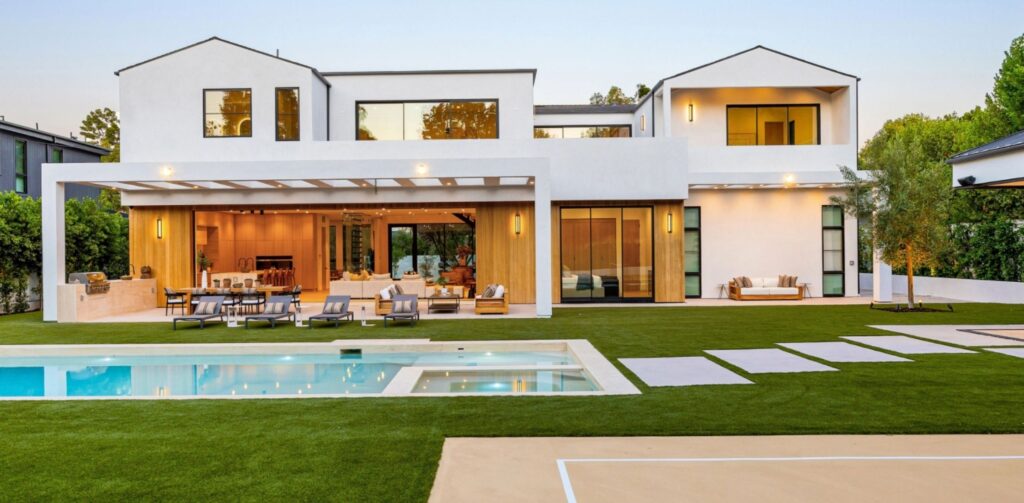
Villas are luxury, free standing houses in high profile neighborhoods, resorts or country side. They are broadly spread, high standard facilities and classy architecture. Starting with Roman nobles they now incorporate old style and modern comforts. These different types of houses normally possess their own gardens, swimming pools and numerous living rooms. Luxury villa market increase by 26% in the year 2026 due to the desire of privacy and prestige by the rich individuals.
Villas are either Mediterranean property or tropical resorts, all of which exhibit local style. They apply good quality materials, custom designs and expansive landscaping. Villas may either be the primary residence of a home or the vacation home or rental property in resorts.
Key Features
- Spacious standalone luxury construction
- Private gardens and pools
- Premium architectural design elements
- Multiple bedrooms and bathrooms
- Exclusive neighborhood locations typically
3. Townhouse
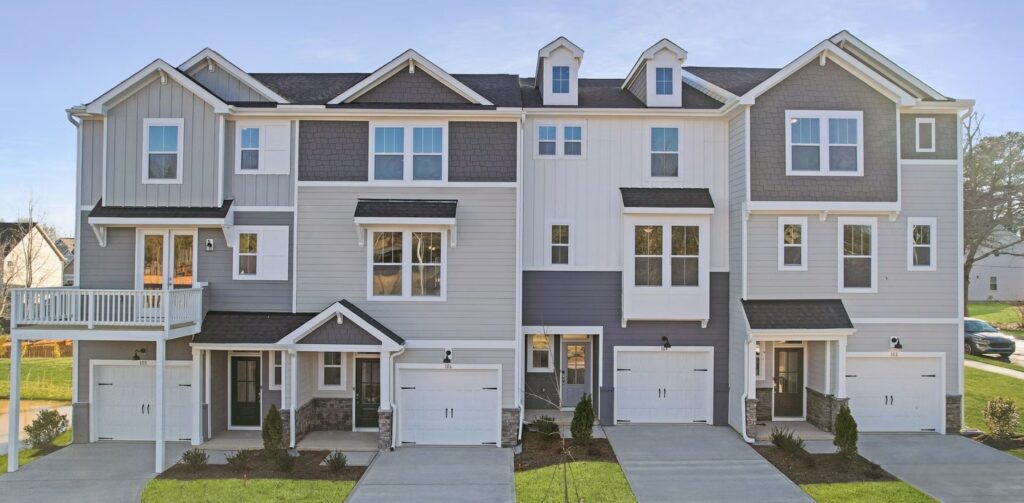
Townhouses are multi-floor houses which have one or two walls with their neighbors. They integrate features of apartments and houses. The different types of houses were initially constructed in the 17 th century in Europe and continue to be popular in congested urban areas. They consist of 2-4 floors and have individual yards or patios.
The number of townhouses constructed in big cities with a housing deficit has increased by 34% in 2026. New townhouses have energy-saving systems and intelligent technologies. They give out houses to people at cheap prices as compared to detached houses but maintain privacy levels of apartments.
Key Features
- Multi-story vertical living space
- Shared walls with neighbors
- Individual entrance and address
- Private outdoor patio areas
- Lower cost than detached
4. House / Detached Home
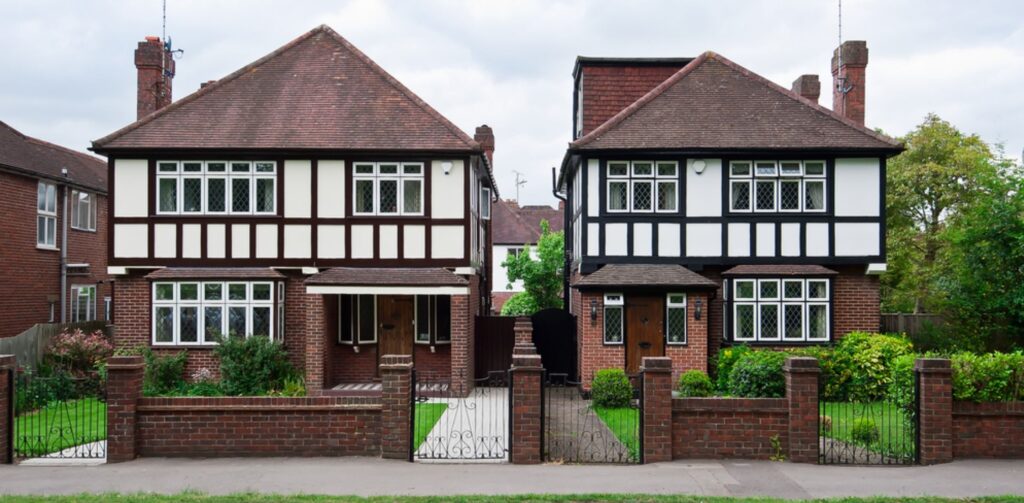
Detached homes refer to those houses that do not have any walls in-between and provide complete privacy. They represent the typical domestic paradigm among numerous cultures, including North America and Australia. The different types of houses occupy their individual plots with yards all round. The external can be modified by the owners and they can bring greenery and remodel the interior. By 2026, the most popular type of home was still detached homes, comprising 41% of all homes sold all over the world.
They provide lots of privacy, reduced noise by the neighbors, and bigger outdoor area. The types of styles wander, such as modern small designs implementing a modern building or the old colonial architecture, according to the local taste and climate.
Key Features
- Freestanding structure with no attachments
- Complete privacy on all sides
- Full yard space surrounding
- Maximum renovation freedom allowed
- Highest property value appreciation
5. Semi-Detached Home
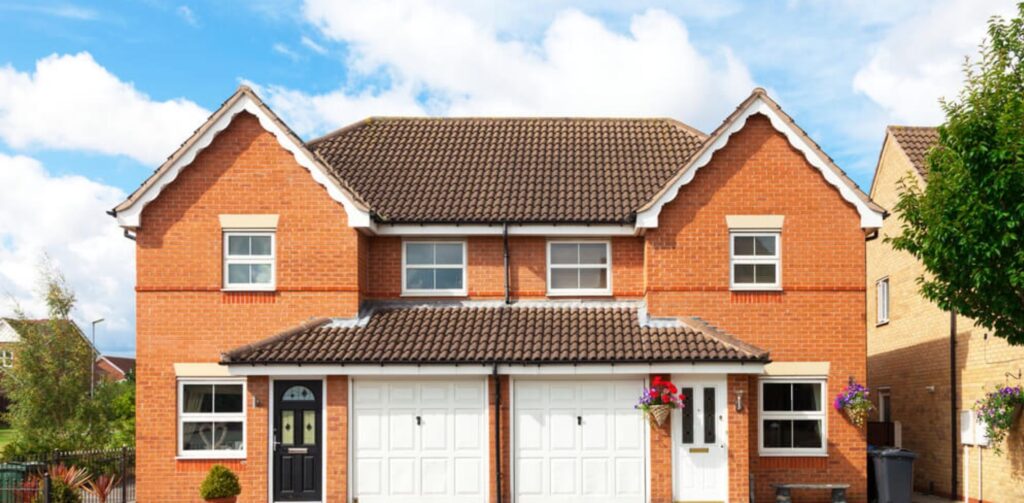
Semi-detached homes have only one wall with another house and the rest is independent. They provide the compromise between a townhouse and a detached house privacy and price. Initially found in the 19th century planning in the British Isles, different types of houses are popular in the UK, Canada and some parts of Europe. Every unit is typically similar to the other.
Semi-detached houses comprised 22%age of all suburban sales in 2026 which are preferred by families who would love affordable prices and space. They possess exclusive driveways, lawns and different doors. They are cheaper than independent houses, yet provide the privacy much more than townhouses or apartments.
Key Features
- One shared wall construction
- Independent on three sides
- Private driveway and yard
- Lower cost than detached
- Mirrored layout with neighbor
6. Apartment / Flat
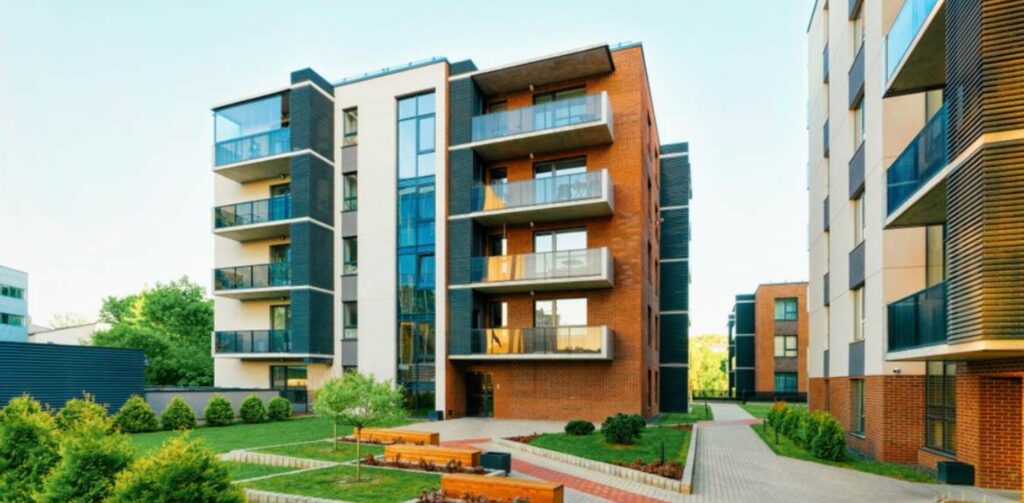
An apartment is a section within a bigger building all by itself. The most prevalent form of home in city world is the apartments. The different types of houses may be a studio or they may contain multiple bedrooms and may be on varying floors. Apartments are cheap, near work and mass transport, and clients do not need to concern themselves with huge repairs. The facility typically contains security, parking and areas where one can play or exercise. In 2026, the number of houses in the world increased by 19% due to the rapid expansion of cities.
In cities, approximately 67% of residents preferred apartments to other forms of homes. The smart apartments of the modern world are built of environmentally friendly substances and have movable floor layouts. They offer quality services at high rates and get people close to work, amusements and transport.
Key Features
- Multi-unit building residential structure
- Shared building amenities available
- Professional maintenance services provided
- Central urban locations typically
- Lower purchase price point
7. Cottage
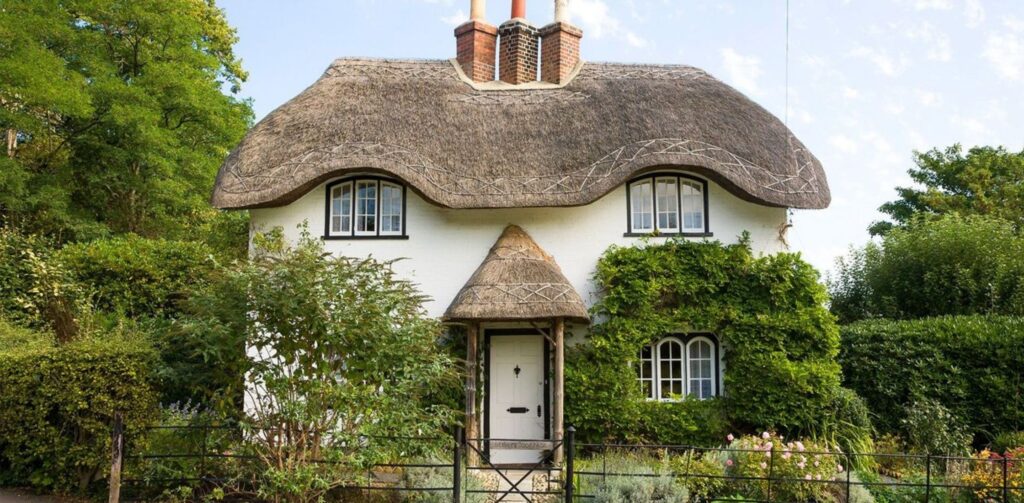
The small, cozy homes are known as the cottages which were initially erected either in the countryside or along the lakes, forests or the coast. They are simple and close to nature which makes them charming. Initially the farm workers used them but they have since been used by many as vacation houses or permanent houses in case they desire to live a quiet life. Cottages are normally wooden beamed, stone-fired, and slant roofed.
In 2026, the cottage sales increased by 29 since remote work allowed people to abandon large cities. The new cottages combine the vintage with the new comforts, including modernized kitchens, Wi-Fi and eco-friendly technologies, and the same small size and natural environment.
Key Features
- Small cozy residential structure
- Rural or waterfront locations
- Rustic charming architectural details
- Close connection to nature
- Vacation or permanent residence
8. Mansion
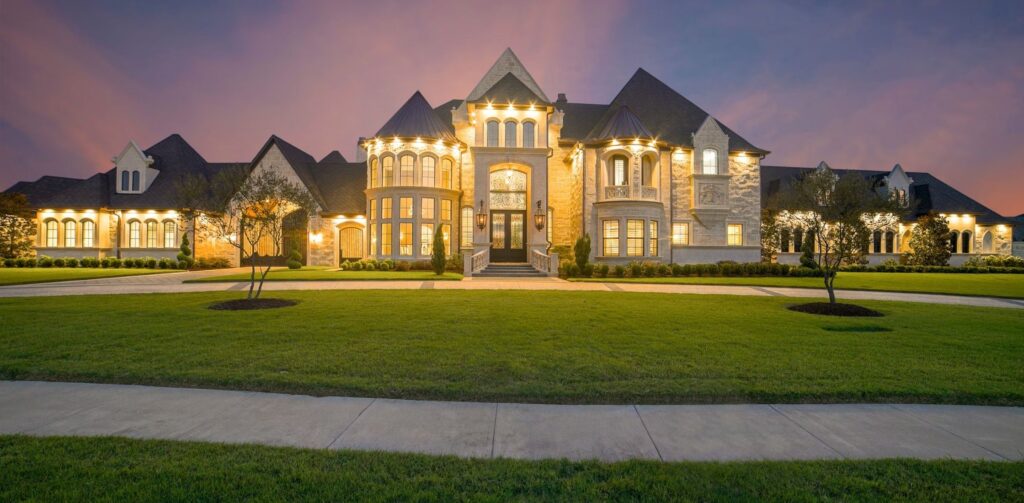
Mansions are huge luxury houses. The house is equipped with lots of rooms, large square space, and luxury throughout. The wealthy buyers prefer mansions because they want to display status and luxuries. Typically, they exceed 8,000 square feet and might contain movie theater, wine cellar, gym and staff rooms. The historic style of the old mansions is demonstrated and the modern mansions concentrate on the contemporary luxury.
By 2026, the global mansion market has reached up to 428 billion dollars and increased particularly in Asia and Middle East. Big estates, gardens, closed security and place of recreation frequently adorn mansions. Having a mansion is associated with social status and is the best place to receive unparalleled comfort and entertainment.
Key Features
- Extremely large square footage
- Luxury amenities throughout property
- Multiple bedrooms and bathrooms
- Extensive grounds and landscaping
- High-end architectural design features
9. Duplex / Triplex
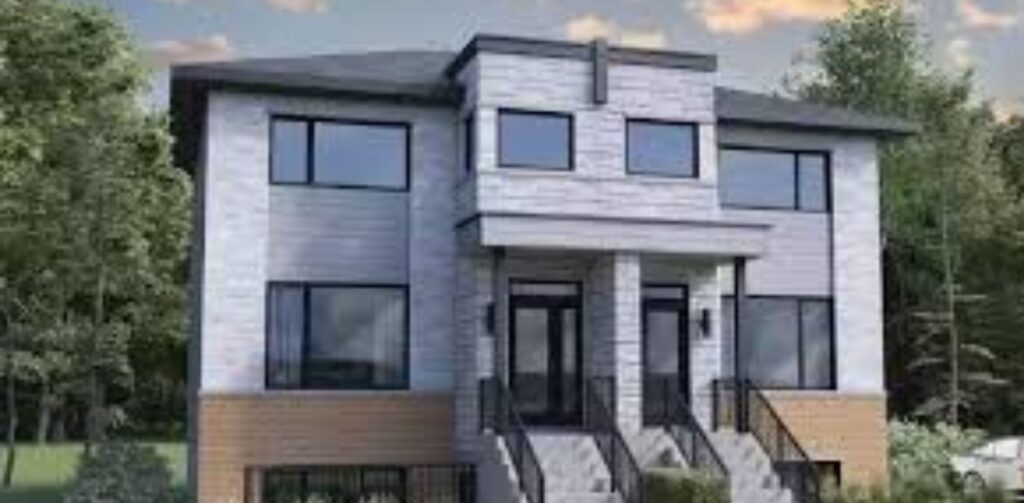
Two living units are located in a single building. A triplex has three units. There are entrances and kitchens in each individual unit. The houses are suitable to many generations of investors or families. One unit of the building can be occupied by a owner, and others can be rented by the other person to make money. The units may be placed either vertically or horizontally according to the structure of the building. By 2026 it was the duplexes and triplexes that had increased by 31% among first-time buyers wanted passive income in the form of rentals.
They provide the advantage of ownership of a home and less mortgage costs through rent by the tenants. There are different kinds of construction but each unit usually contains a kitchen, bathroom as well as living room. These houses combine low prices and real estate expectations.
Key Features
- Multiple independent living units
- Separate entrance for each
- Investment income generation potential
- Shared building structure
- Owner-occupancy with rental options
10. Row House
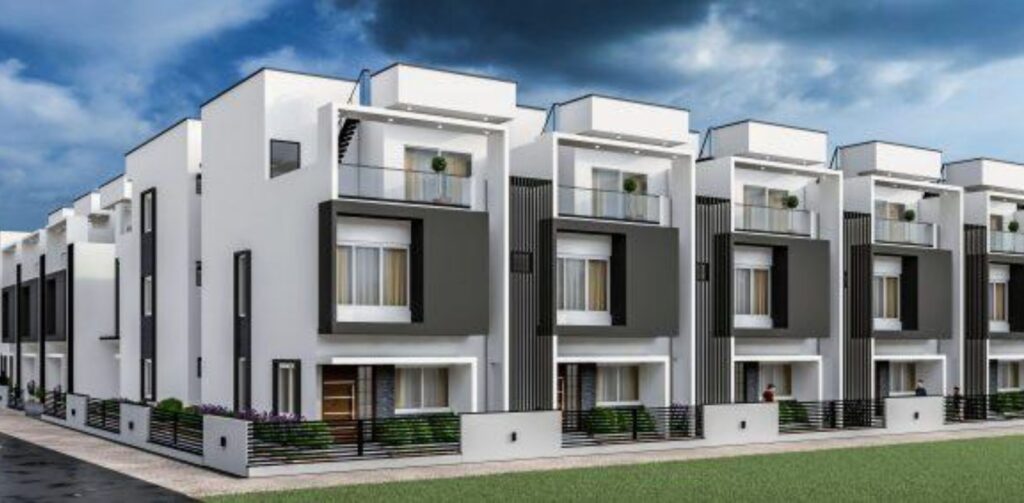
Row houses are the same houses that have been constructed in a row. The neighbors share side walls with them. Row houses conserve the land in the city and form smooth streets with an identical appearance. The urban houses of the first row were constructed in the European cities in the medieval era and are still prevalent in the old city regions. A house generally has a few ascents that have both a front and another door. The year 2026 recorded an increase of 27% in terms of restorations of row houses in the historic global districts.
Row houses provide individuals with the opportunity to have their own house, access the street, and an interior yard or a terrace on the roof. They are affordable and have added advantages of home ownership in good urban areas which appeal to young professionals and families.
Key Features
- Continuous connected building style
- Shared walls on both sides
- Uniform architectural appearance
- Multiple story vertical layout
- Urban location with character
B. Unique or Special Types
11. Condo / Condominium
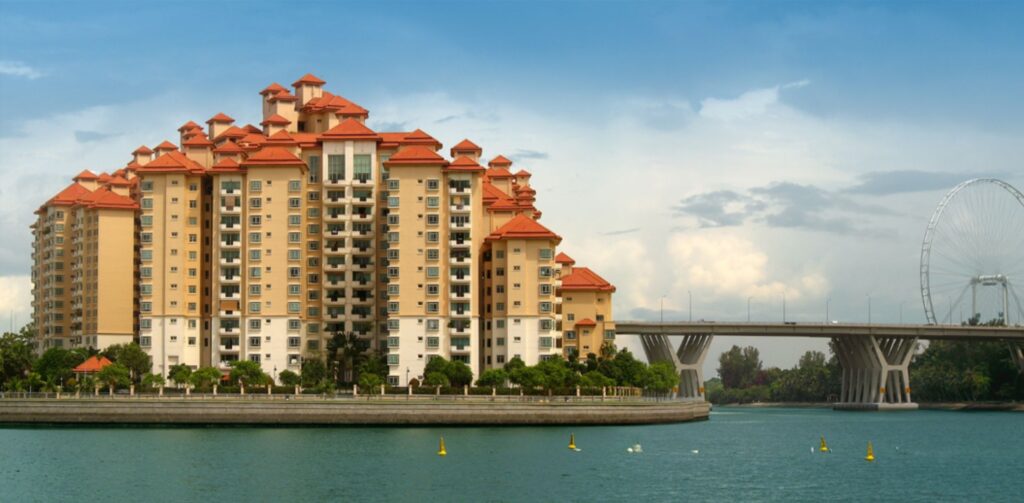
Condos are units belonging to individuals within a building that have common facilities. The ownership differs, rather than the design, compared to apartments. The owners of the condos make monthly payments that are allocated to building upkeep, shared facilities and mutual expense. They are also involved in the homeowner associations which establish the building rules. By 2026, condo sales totaled 8.7 million units globally or two-fourths of the total home sales. Condos provide the benefits of having an individual dwelling without having to repair it on the outside. They have facilities such as pools, gyms and security which a single house owner would not afford individually. The modern day condos are as simple as low cost starter units all the way to the luxury penthouses in high end locations.
Key Features
- Individual unit ownership structure
- Shared amenities and facilities
- Homeowners association governance model
- Monthly maintenance fee obligations
- Building maintenance included services
12. Penthouse
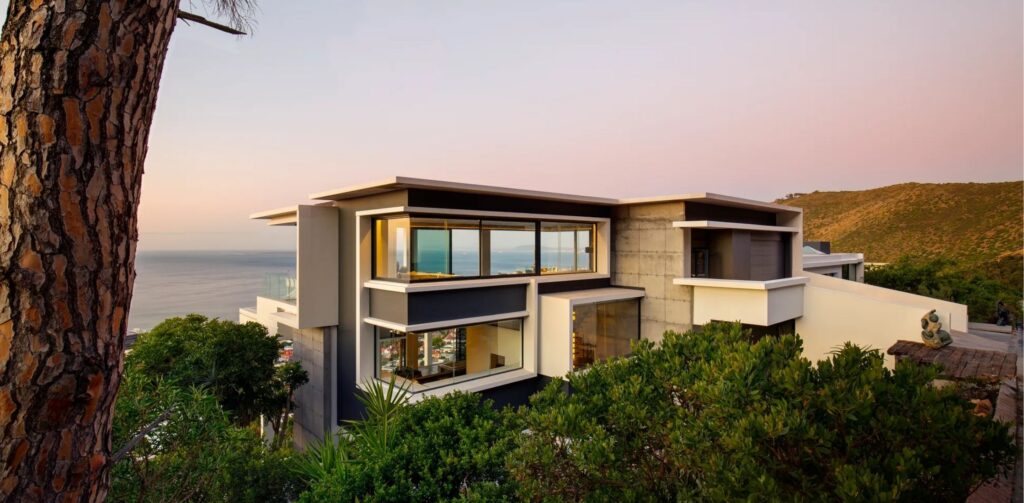
Penthouses are the highest levels of the apartment or condo blocks. They offer amazing sceneries, privacy and luxury fittings. They are more expensive as these homes are located in exclusive locations. The floor plan of penthouses is generally bigger, and the space is private and has terraces, the ceiling is made higher and the facility of the penthouse is more advanced than the lower units are. They provide the most preferred city living. The way the penthouse prices have been increasing is that the prices of the penthouse have been increasing by an average value of 58% of the similar units located in the lower floors in the major cities in 2026.
Contemporary cutting-edge penthouses feature floor-to-wall windows, intelligent home, and housekeepers. They are targeted at affluent customers who desire prestigious addresses and spectacular city views. Penthouses are particularly valuable in the competitive markets since they are rare.
Key Features
- Top floor premium location
- Panoramic views and terraces
- Luxury finishes and upgrades
- Enhanced privacy from neighbors
- Prestigious status symbol property
13. Studio Apartment
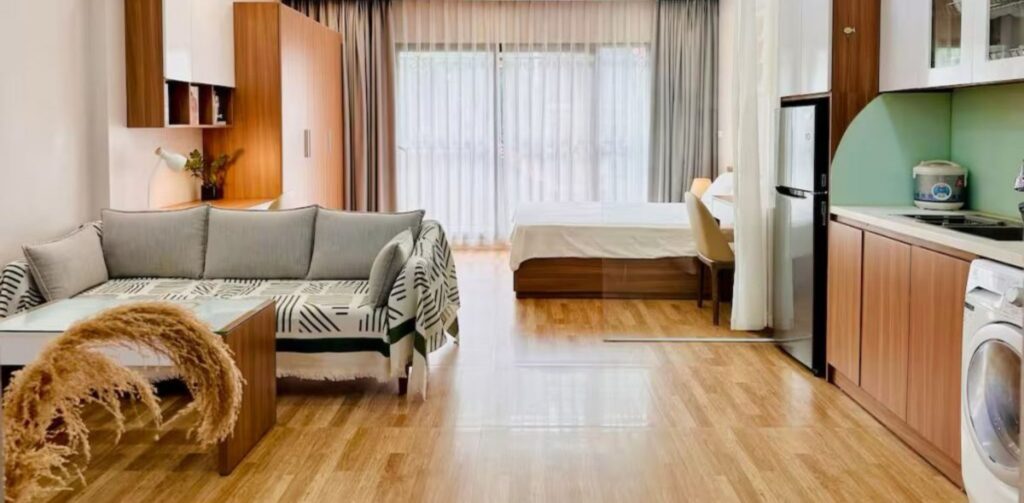
In studio apartments, people live in a unified space in a bedroom, living room, and kitchen and only the wall divides the bathroom. Small studios do well with small locations (typically 300 to 600 sq ft). Initially, they were inexpensive urban accommodation to single profession and students. Clever storage, multi-purpose furniture and inventive layout is used in studios. Demand in studios increased in high prices are large cores of the city where one-bedroom apartments were unattainable in 2026.
The use of smart design in contemporary studios is to develop disconnected zones without wall. Studio provides a cheap option of residing close to preferred neighborhoods with minimal furnishings and without paying a lot in utilities. They are a perfect fit for minimalist living and those who are space-conscious.
Key Features
- Open-plan single room design
- Combined living and sleeping areas
- Compact efficient use of space
- Affordable urban housing option
- Minimal furniture requirements needed
14. Tiny House
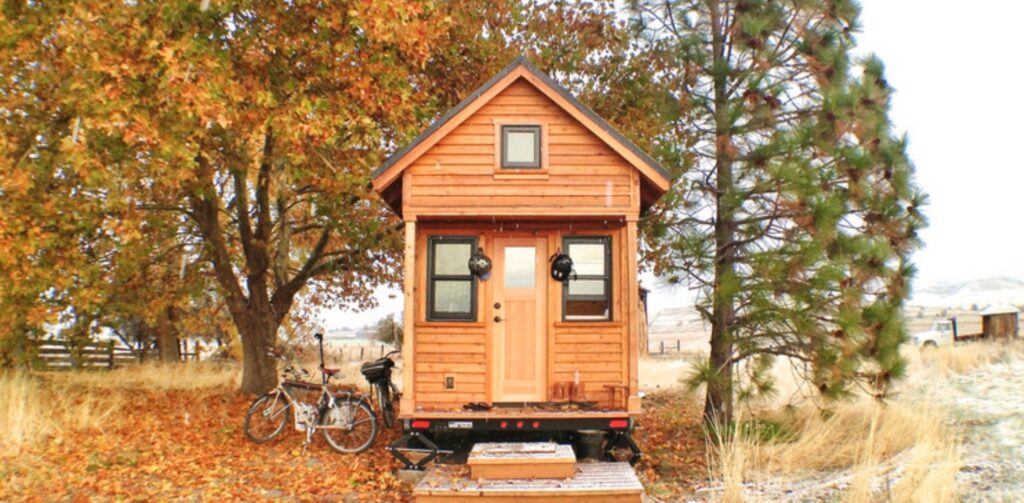
Tiny houses are tiny houses: their size is under 400 square feet. They are environment-conscious and prefer leading a simple life. This is because tiny houses disprove the concept of space requirements. They create every inch by using innovative storage, multi-purpose furniture, and efficient designs. Numerous small homes are mobile since they are placed on trailers. The growth rate of the tiny house movement was 43% in 2026 as over 180,000 individuals were residing in tiny houses in North America.
Small dwelling houses decrease the cost of living, the ecological footprint, and amount of property. Contemporary small houses are equipped with full-fledged kitchens, bathrooms, sleeping lofts, and outdoor living space. They appeal to individuals desiring financial freedom, easy living and reduced ecological footprint.
Key Features
- Under 400 square feet
- Innovative space-saving design solutions
- Often mobile on wheels
- Minimalist sustainable lifestyle focus
- Significantly reduced living costs
15. Mobile Home
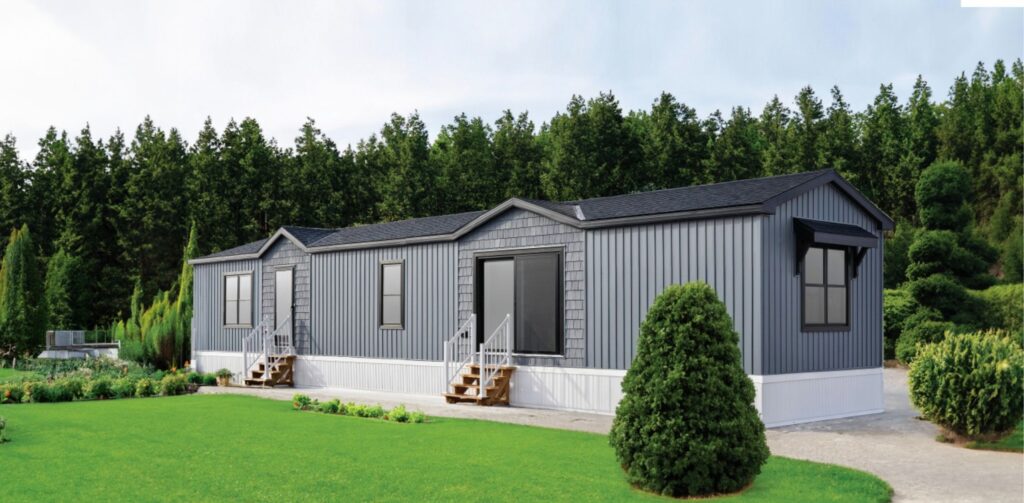
Mobile homes are homes which are manufactured in factories and then transported to either a permanent or semi-permanent location. They provide the individuals with a low cost substitute to constructing a home on a piece of land. Modern mobile homes or manufactured homes are constructed to tough federal regulations that test safety and quality. They are either usable in mobile home parks or on individual land.
The percentage of manufactured houses in the sales of new single-family houses is 9 7.0 since 2026, and the manufactured house is priced roughly 35.0% lower than the price of regular houses. They allowed low-end consumers, senior citizens, and first-time homeowners to purchase their own home. The current designs are made into normal looking houses yet cheaper and quicker to construct.
Key Features
- Factory-built construction method
- Transportable to final location
- Affordable housing option available
- Placed in parks or land
- Faster construction than traditional
16. Treehouse
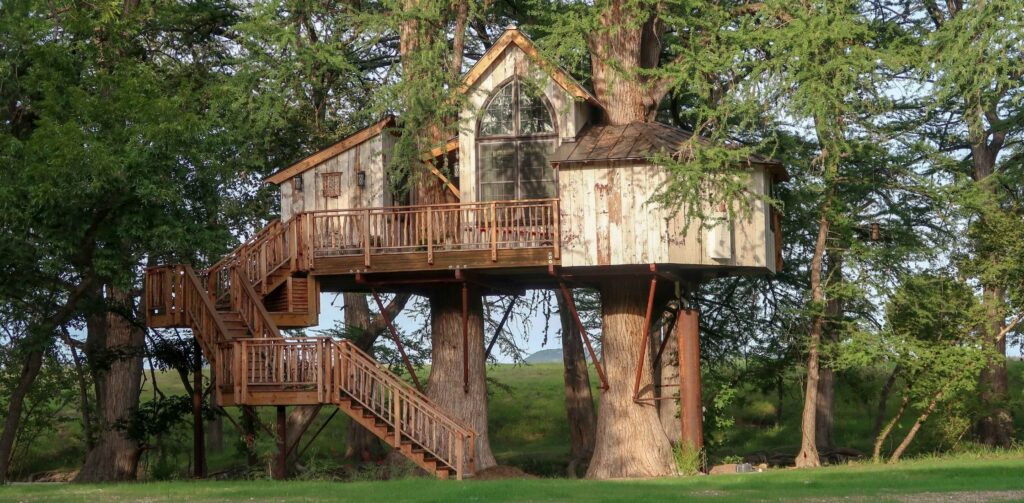
Treehouses are structures constructed on tree branches with the help of trunks or extraordinary frames. They may be mere playhouses of children or living rooms of adults. The treehouses are constructed to blend with the nature and address the special design issues. And the current tree houses are made of sustainable material, with lower environmental footprint and ingenious engineering. By 2026, ecotourism generated 2.8 billion dollars all over the globe in luxury treehouse rentals.
There are those who permanently stay in a treehouse, especially in forest regions, though others use them during holidays or mini hotels. The treehouses are high-tech with electricity, plumbing, insulation and comfortable furniture, and are at the same time high above the forest and in touch with nature.
Key Features
- Elevated among tree branches
- Nature-integrated unique design
- Minimal environmental footprint approach
- Range from basic to luxury
- Sustainable construction materials used
17. Houseboat
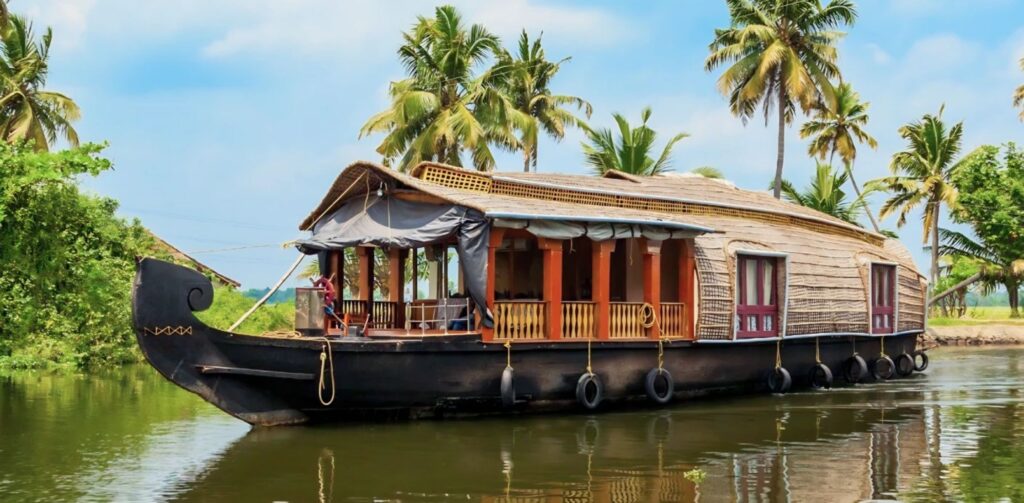
Houseboats consist of boats that are meant to live on the water rather than traveling long distances. They are placed either on rivers, lakes, canals or the sea and provide people with home comfort with a view of the water. Houseboats are simple floating cabins up to luxurious multi level boats with modern amenities. They present a different life in water changing views. Approximately 125000 residents of houseboats resided in 2026, particularly in Amsterdam, Seattle, and Kashmir.
The current houseboats are fully furnished with kitchens, baths, temperature and internet. These attract individuals who wish to have an alternative way of life, easy access to water, and proximity to the water but without paying the conventional real estate.
Key Features
- Floating residential water structure
- Waterfront living experience always
- Moored in specific locations
- Complete home amenities onboard
- Unique lifestyle alternative choice
18. Igloo

Igloos are dome-shaped structures that are composed of snow blocks packed tightly and historically constructed by Inuit people in the Arctic regions. They demonstrate witty methods to be kept warm in extreme cold with the help of what is at hand. The insulation capabilities of snow allow the snow to warm the inside when the outside is frozen. Most of the igloos nowadays are historical or cultural monuments, yet some isolated arctic communities use temporary igloos to go hunting.
Scandinavia and Canada were examples as tourist igloos in 2026 attracted 340000 tourists seeking authentic Arctic experiences. Some current day igloos have glass walls to allow individuals to view the northern lights and be heated up. The spiral design of the classic igloos will also create a powerful dome, which can stand tough wind and support weight.
Key Features
- Snow block dome construction
- Arctic traditional shelter design
- Excellent insulation properties naturally
- Temporary or cultural purpose
- Unique architectural engineering solution
19. Hut / Tent
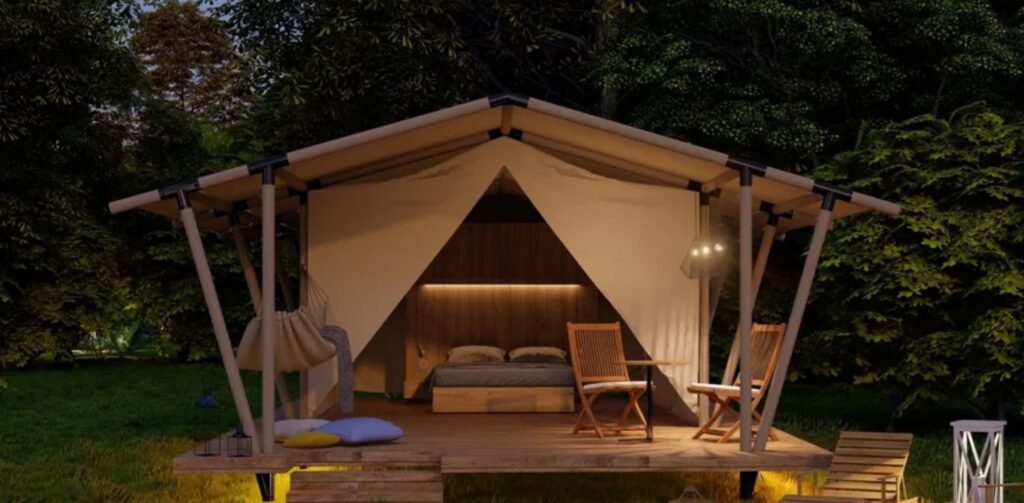
Huts and tents are portable shelters of a nomadic or eco tourism world-wide and simple or semi-permanent. They pay attention to the possibility to move freely and the little impact on the environment. Africa can be mud-brick or thatched houses, Pacific islands can be huts. There are Mongolian yurts, Native American tipis, and camping tents of modern devices. They utilize local resources and construction talents. In 2026, tourism in glamorous camping (glamping) in luxury tents brought an annual income of $4.3 b world wide.
Part of these buildings stand as permanent houses of few communities whereas others are temporary accommodations of visitors. Eco -friendly material and design of new tents do not make them forget their roots and go to waste.
Key Features
- Basic simple shelter design
- Portable or temporary structure
- Local natural materials used
- Cultural traditional building methods
- Minimal environmental impact focus
20. Underground or Earth-Sheltered House
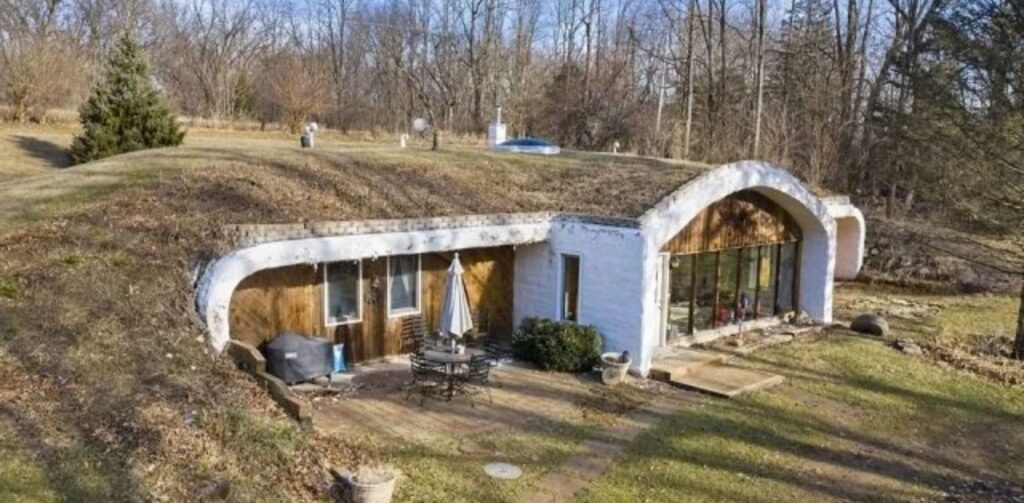
Equal or partially underground houses are constructed underground, utilizing earth as a natural insulation and shielding. They are highly energy-saving and maintain a constant temperature indoors without excessive heating or ventilation. Earth-sheltered homes are various types of houses built both on the side of a hill and, as the name suggests, fully underground homes with skylights. They take shelter during severe weather and aid in case of natural calamities.
By 2026, the number of people who are Earth-conscious had increased by 37% to construct Earth-shelved houses. Such residences require exclusive waterproofing, drainage, and methods of introducing natural lighting. They associate with the scenery and reduce the amount of energy consumed that saves money in the long run and assists the planet.
Key Features
- Built below ground level
- Excellent natural insulation properties
- Energy-efficient temperature regulation
- Protection from extreme weather
- Sustainable eco-friendly design approach
21. Floating or Container Home
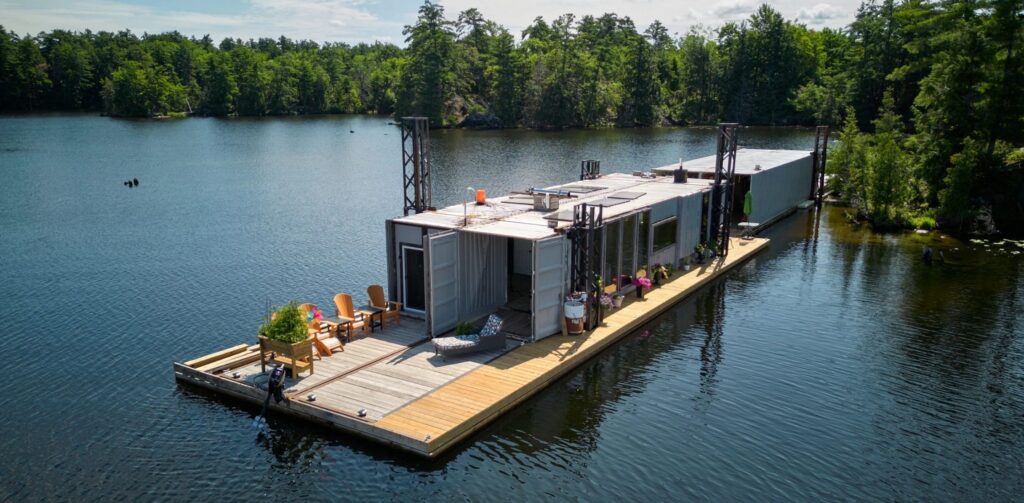
A floating house is a house competing on a platform made of water, and a container home transforms a shipping container into a house. Both of them provide innovative opportunities to address issues regarding housing and make materials more affordable. Floating homes are not houseboats, as they are attached to a base that is beneath the water. Container homesteads convert steel boxes into contemporary homes; they have windows and doors, and have interior walls.
Globally, the%age of container homes has grown by 52% in 2026, particularly in areas of housing shortages. These houses are between 30 and 50% cheaper than the normal construction. Both alternatives appeal to green consumers with the reuse of materials and the reduction of waste. They demonstrate innovative forms of construction, which address the current issues of housing practice.
Key Features
- Innovative alternative housing solutions
- Sustainable repurposed materials used
- Cost-effective construction methods
- Modern architectural design possibilities
- Environmentally-friendly building approach
C. Region-Specific Houses
India
There are numerous kinds of houses in India which show huge cultural background and a variety of climates. In Mumbai, chawls continue to hold the working-class families together. Rajasthan havelis depict the prosperity of merchants. There is a style of house that is prevalent in every region of India. Courtyard homes continue to be effective in hot climates due to the fact that they allow air to pass through them and also allow privacy.
The houses of Ladakhi are massive and constructed with a tight plan to exclude the cold in the Himalayas. As new building increases, 35% of the Indians in rural India were still living in these old styles in 2026. Farmhouses in and around large urban areas have become resorts; the sales have increased 44% as city dwellers seek homes where they can combine comfort and the country atmosphere.
These diverse dwellings indicate that the Indian designers are capable of dealing with environmental issues and maintaining the cultural identity at the same time.
Key Features
- Climate-appropriate vernacular architecture designs
- Cultural heritage preservation emphasis
- Courtyard-centered traditional layouts common
- Regional material usage patterns
- Modern amenities integrated gradually
World
The houses worldwide have evolved (changed) according to the place, the materials (available), climate and local civilization. In the country homes are constructed to assist in agricultural practices. People in hot and dry regions such as the American Southwest and North Africa dry their mud bricks in the sun, which then cools their houses. The terrain is used by houses constructed on hills to offer immense views, although they are difficult to construct.
The informal favela-style houses are seen in most developing countries, as cities are expanding rapidly and people have to have some fast, cheap housing. By 2026, an estimated 43%. of the population resides in rural houses and the number of those living in an informal settlement has been recorded to be 1.2 billion in Asia, Africa and South America.
The traditional construction techniques that have used local materials have been combined with modern-day technology to produce homes that are friendly to the culture and more comfortable and permanent. All these types of houses demonstrate how human beings can be changeable and creative to construct their home to suit their environment and societal demands.
Key Features
- Geographic climate adaptation responses
- Local available material utilization
- Cultural tradition reflection deeply
- Sustainable traditional building methods
- Hybrid modern-traditional design approaches
How to Choose the Right House Type
The selection of the right house must be done keenly, looking into several factors such as the amount of money you have, what you prefer in a lifestyle, and what you desire in the long-term. As of 2026, consumers took approximately 6.8 months to shop, which is an average amount of time spent by a buyer visiting houses before they made a purchase, leaving 72% discussing with real estate agents.
- Budget: See what you have, the sum of money which you have, in connection with the down payment, monthly mortgage, maintenance, taxes, and insurance. Ensure that the cost of houses is not more than 30% of your total incom,e as you will be able to remain financially stable.
- Lifestyle: Choose the house based on your everyday life, family size, work pattern and hobbies. Consider commuting, the area that you require, and the comforts that can make you delighted.
- Location: Find good neighbourhoods with good schools, safety and transport connections and near employment. Make trade off on the level of desired place of living against the cost.
- Future Plans: Consider future changes such as family enlargement, change of job or retirement. Select a house that will not have to involve any large-scale migration or costly renovations.
- Maintenance Dedication: Decide the amount you are willing to allocate in maintaining. On average, apartments require fewer efforts compared to detached homes that require additional time, efforts and finances in case of care about the outside and landscape.
Conclusion
The different types of houses in the year 2026 have numerous options. New technology allows individuals to construct container houses and houses excavated in the earth, and traditional designs. You need a house that meets your needs and you can select the best types of houses you need either cheap house or fancy, green or strong community. This will assist you in being happy and making a good investment. Search, ask geriatrics, and think about the present and the future. There is the right house of all the types of houses in the world. To know it, you have to know the differences, how it is important to you, and make good decisions that will fit your goals in terms of money and life.
FAQa
What are the most affordable different types of houses for first-time buyers?
Studio apartments, mobile homes and tiny houses are the cheapest types of houses that can be bought by the first-time buyers. Their cost is typically 40-60% less than typical single family houses in 2026.
Which housing type appreciates fastest in value?
Detached houses on the increasing suburbs gain the most significant price increase, approximately, 8.2 have a year in 2026, then the townhouses and the well-located condos, which enjoy consistent demand.
Are tiny houses and mobile homes legally permitted everywhere?
No. Rules vary by area. There are numerous cities that regulate the location to which small houses can be erected and the areas of the placement of mobile homes. Always look at local laws before purchasing, otherwise you will be in trouble.
What different types of houses work best for multi-generational families?
Separate families with living areas Duplexes, triplets and large homes are ideal when living as a family. The courtyard homes are also suitable in common family areas.
How do maintenance costs compare across different housing types?
Monthly apartments and condo maintenance of $200400 and minimal owner work. Alone houses require between $500-800 monthly upkeep, fix, yard work and any unforeseen issues, and are taken care of by owners.